Bloating
Bloating: Causes, Symptoms, and Practical Ways to Find Relief
Bloating is one of the most common digestive complaints that I see in clinic and it affects people of all ages, but tends to be more common in women. Bloating may feel like fullness, tightness around the abdomen, and sometimes results in abdominal pain. While occasional bloating is normal, frequent or persistent bloating may be indicative of an underlying digestive issue or other health problem.
In this article, we’ll explore some of the causes of bloating, common symptoms, ways to reduce it, and when professional advice should be sought.
What Is Bloating?
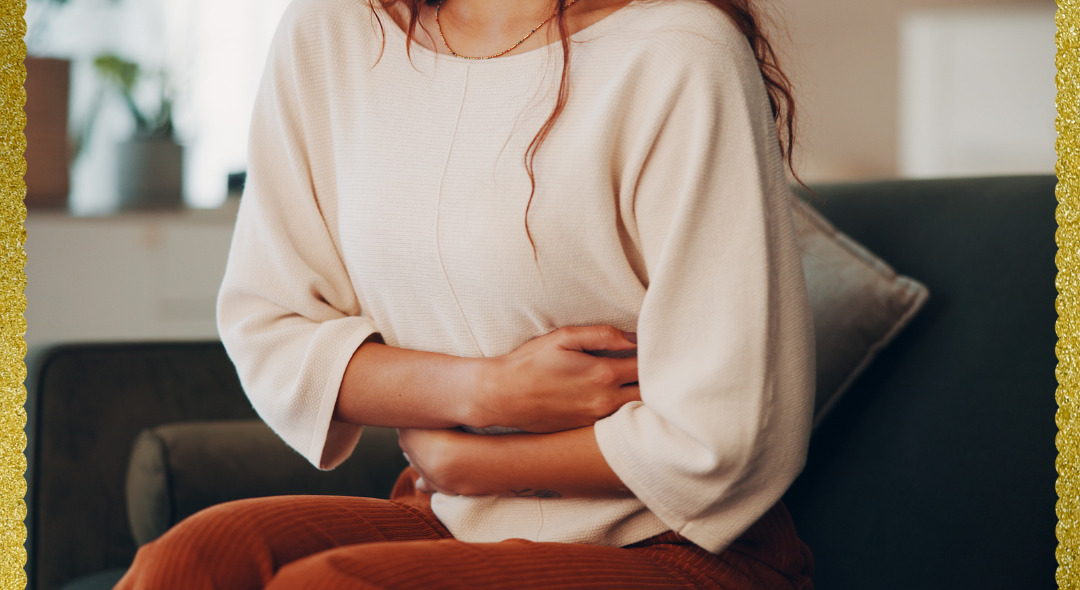
Bloating refers to a feeling of fullness, pressure, or tightness in the abdomen. This may be accompanied by visible abdominal distention, or it may simply be experienced as discomfort without any noticeable distension.
Bloating often occurs after eating but it can happen at any time of the day. Sometimes it may be random without any identifiable pattern or aggravating factor. Some individuals find themselves feeling bloated upon waking up in the morning and others may feel bloated most of the day.
Common Symptoms of Bloating
While symptoms can vary from person to person, they may include:
- A feeling of fullness, tightness or pressure in the abdomen
- Visible abdominal distention
- Excess gas or flatulence
- Frequent burping
- Stomach rumbling
- Mild abdominal discomfort or cramping
- Feeling full quickly when eating
What Causes Bloating?
There usually isn’t a single cause of bloating and it is often the result of several contributing factors. It may or may not have an obvious underlying cause. The following are just some of the things that may be a cause or contribute to bloating.
Swallowing Air
Eating too quickly, drinking carbonated beverages, chewing gum, or talking while eating can increase the amount of air you swallow. This can contribute to your bloating or make it feel worse.
Certain Foods
Some foods naturally produce more gas during digestion and this will affect some individuals more than others.
- Beans and legumes
- Broccoli, cabbage, and cauliflower
- Onions and garlic
- Apples and pears
- Artificial sweeteners
- Carbonated drinks
Food Intolerances
Some people may have difficulty digesting certain food due to food intolerances. Examples you have probably hear dof are lactose, fructose, or gluten. If you are eating foods you are intolerant to, you could experience bloating, gas, and abdominal discomfort.
Constipation
Constipation can contribute to bloating. When stool remains in the intestine for too long, gas can build up and create a feeling of bloating and fullness.
Gut Health
The microbiota that lives in your digestive tract plays a vial role in digestion. Any alteration to the gut microbiome may contribute to increased gas production and bloating.
Hormonal Changes
Many women experience bloating before or during their menstrual cycle or during perimenopause/menopause. This is due to hormonal fluctuations and fluid retention.
Digestive Conditions
Persistent bloating may be associated with digestive conditions such as irritable bowel syndrome (IBS), coeliac disease, inflammatory bowel disease (IBD), or other gastrointestinal disorders. If you have a family history of any of these conditions or are not seeing any improvement with any changes you are making then visiting a healthcare professional for further investigation is important.
Stress
Stress can affect how the digestive system functions and may contribute to bloating in some people. When we are in a chronic state of stress our parasympathetic nervous system, known as our rest and digest state, is not functioning optimally and our body diverts energy away from our digestive system to focus on our ‘fight and flight’ sympathetic state. This may lead to slowed motility, visceral hypersensitivity, hormonal water retention from increased cortisol (stress hormone), gut bacteria disruption and sometimes excess air swallowing from rapid breathing or hyperventilation.
How to Reduce Bloating
While the best approach depends on the underlying cause, these strategies may help reduce bloating:
Eat Slowly
Taking your time while eating may reduce the amount of air swallowed and improve digestion. It is also important to chew your food well. There are important enzymes in the mouth that help break down starches and prepare the food for the next phase of digestion.
Stay Hydrated
Drinking enough water supports healthy digestion and may help prevent constipation. Keeping hydrated helps to flush out excess salt which holds on to fluid. It also helps move fibre through the digestive tract and keep stools lubricated.
Increase Fibre Gradually
While fibre is supportive to gut health, increasing intake too quickly can temporarily worsen bloating. Aim for gradual changes while maintaining adequate fluid intake.
Move Your Body
Gentle exercise, such as walking after meals, helps to stimulate digestion and encourage the movement of gas through the digestive tract. It does this by encouraging peristalsis, which is the contractions of the digestive tract that help move food through.
Identify Trigger Foods
Keeping a food and symptom diary may help you identify foods that consistently contribute to bloating and gas. It may be helpful to engage a nutritionist or dietician to help you with this.
Manage Stress
As stated above stress can affect how your digestive system functions. Finding ways of managing stress can help support your gut to function better. Relaxation techniques, regular physical activity, and adequate sleep may support digestive health.
Visceral Osteopathy and Abdominal Massage
Visceral osteopathy and abdominal massage techniques can be used to help improve bloating. These type of manual techniques can help to improve tension in the abdomen, improve peristalsis and blood flow, improve vagal tone and relaxation and encourage optimal functioning. There are self-massage techniques you can try yourself at home. Check out some of my videos.
When Should You See a Healthcare Professional?
Occasional bloating or mild bloating after eating is common, particularly after a large meal or when a meal contains foods that are more gas producing. However persistent or severe bloating should be assessed by a healthcare professional because on occasion it may be indicative of something more serious. Getting a proper diagnosis or ruling out any potential conditions helps you get the correct support for your individual presentation.
You should seek medical advice if bloating:
- Occurs frequently or is becoming worse
- Is associated with unexplained weight loss
- Causes severe abdominal pain
- Is accompanied by persistent diarrhoea or constipation
- Is associated with blood in the stool
- Interferes with your daily life
Key Takeaway
Bloating is a common symptom with many possible causes, ranging from dietary habits and food intolerances, constipation and digestive conditions, and even stress. Most cases can be improved by making simple lifestyle changes, identifying personal food triggers, and supporting healthy digestion. If bloating is persistent, severe, or accompanied by other concerning symptoms, consulting a qualified healthcare professional for further assessment is vital.
Support for Digestion
If you are experiencing bloating a more individualised approach may help.
At Topaz Health, visceral osteopathy offers a gentle, hands-on approach that supports the abdomen, digestive system, and nervous system to improve overall gut function.
You can learn more or book an appointment online.