The Vagus Nerve
The Vagus Nerve: Its Role in Digestion, Stress, and Gut Health
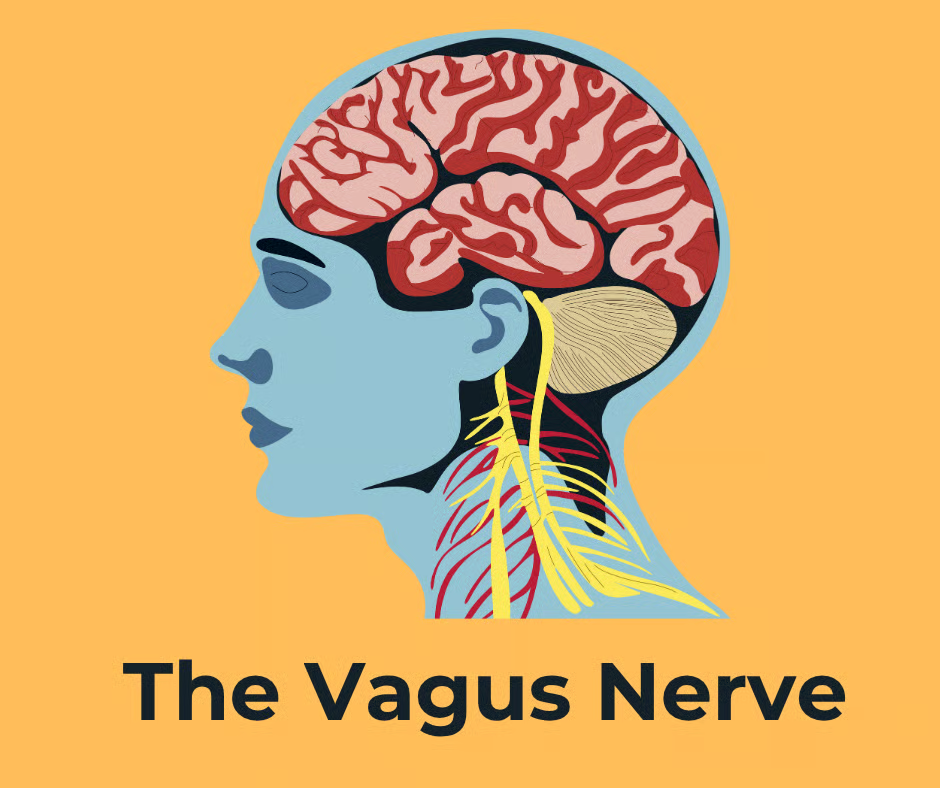
The vagus nerve is the tenth cranial nerve (of which there are 12 pairs) and arises from the brainstem. The word vaguscomes from Latin, meaning “wandering”, which reflects the path this nerve takes through the body.
It travels from the brainstem, down through the neck and into the chest and abdomen, connecting the brain with organs such as the heart, lungs, and digestive tract.
The vagus nerve forms a major part of the parasympathetic nervous system, which controls the body’s “rest and digest” function. In contrast, the sympathetic nervous system prepares us for action (the “fight or flight” response).
Because of this, the vagus nerve plays an important role in promoting calm, balance, and healthy digestive function
The Vagus Nerve’s Role in Digestion
When we eat, the vagus nerve helps prepare the digestive system to receive and process food. It supports:
- Saliva and digestive enzyme production, aiding the breakdown of food
- Stomach acid release, which helps digest proteins
- Peristalsis, the coordinated muscle contractions that move food through the digestive tract
The vagus nerve also supports communication between the gut and the brain, often referred to as the gut–brain axis. This involves the exchange of information about hunger, fullness, and gut sensations.
When vagal tone (a measure of vagus nerve activity) is reduced, digestive processes may become less efficient. This can contribute to symptoms such as bloating, indigestion, or constipation.
Stress, the Vagus Nerve, and Gut Symptoms
Chronic stress can significantly impact vagus nerve function.
When the body is in a prolonged “fight or flight” state, digestion is not prioritised. Blood flow is directed away from the digestive system and towards areas needed for action, such as the muscles and brain.
While this response is helpful in short-term situations, ongoing stress may:
- Affect gut motility
- Reduce digestive enzyme and stomach acid production
- Contribute to ongoing digestive symptoms
Many people notice their digestive symptoms flare during busy or stressful periods. This reflects the close relationship between the nervous system and the gut.
Addressing factors that contribute to chronic stress is therefore an important part of supporting digestive health.
Supporting a Healthy Vagus Nerve
To support vagal tone, it is helpful to focus on overall nervous system regulation and daily habits. This may include:
- Managing stress in ways that work for you
- Eating a balanced and regular diet
- Engaging in appropriate movement or exercise
- Allowing time for rest and recovery
- Prioritising good quality sleep
There are also specific exercises that are often suggested to stimulate the vagus nerve. While some people find these helpful, the most important element is creating regular opportunities for the body to relax.
Consistency is key. Finding ways to decompress and restore—whatever that looks like for you—can have a meaningful impact over time.
Seeking support where needed, both physically and psychologically, is also an important part of long-term health.
Supporting Your Gut Health
If you experience ongoing symptoms such as bloating, abdominal discomfort, or changes in bowel habits, it may be worth considering the role of the nervous system.
Visceral osteopathy is a gentle, hands-on approach that works with the abdomen and nervous system to support movement, reduce tension, and improve digestive function.
If you would like to learn more, you can explore my approach or book a consultation online.
References
- Browning KN, Travagli RA. (2014). Central nervous system control of gastrointestinal motility and secretion and modulation of gastrointestinal functions. Comprehensive Physiology.
- Bonaz B, Sinniger V, Pellissier S. (2017). The vagus nerve in the neuro-immune axis: implications in inflammatory bowel disease. Frontiers in Immunology.
- Mayer EA. (2011). Gut feelings: the emerging biology of gut–brain communication. Nature Reviews Neuroscience.
- Tracey KJ. (2002). The inflammatory reflex. Nature.
- Breit S et al. (2018). Vagus nerve as modulator of the brain–gut axis in psychiatric and inflammatory disorders. Frontiers in Psychiatry.