Constipation Relief: Natural Ways to Improve Bowel Function
Constipation is not just about how often you go to the toilet. It often reflects how well the digestive system is functioning as a whole, including bowel motility, abdominal tension, posture, and toileting habits.
While diet is commonly discussed, many people find that symptoms persist even when dietary factors have already been addressed. In these cases, the physical and mechanical aspects of digestion can play an important role.
This series explores three simple, practical approaches that may help support more comfortable and effective bowel function.
A Whole-Body Approach to Constipation
Bowel function is influenced by a number of factors, including:
Movement of the bowel (motility)
Tension through the abdomen
Coordination of the pelvic floor
Positioning during toileting
Habitual straining patterns
Addressing these areas together can help reduce strain and improve ease of elimination.
Explore The Series
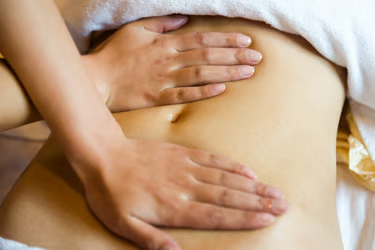
Abdominal massage and bowel support
Gentle abdominal techniques may help reduce tension and support movement through the digestive tract.
These approaches are most effective when used together, addressing both the mechanical and behavioural aspects of bowel function.
If symptoms are ongoing or more complex, individual assessment and treatment may be helpful.
Need more support?
If you’re experiencing ongoing digestive discomfort, abdominal tension, or difficulty with bowel function, treatment may help address the underlying mechanical factors involved.