
Natural Ways to Help Constipation, Part 2 – Using a Poop Stool
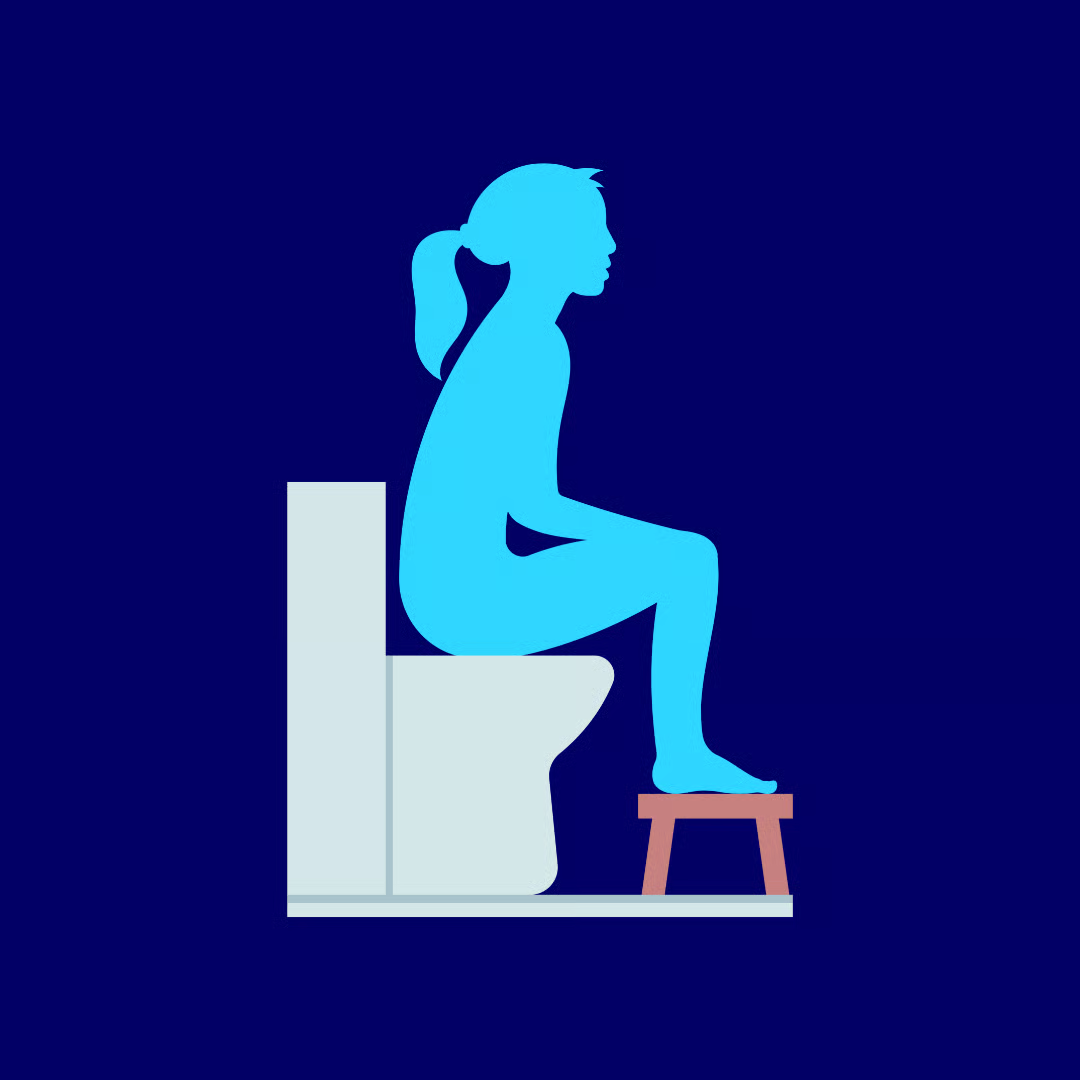
Using a Poop Stool for Constipation
A poop stool (also known as a toilet stool or defecation posture device) can be a simple but highly effective tool for improving bowel movements and reducing straining during constipation.
It works by helping you achieve a more natural position for elimination, which may support easier and more complete bowel movements.
Part of the Natural Ways to Help Constipation series:
- Part 1: Abdominal Massage (this article)
- Part 2: Using a Poop Stool
- Part 3: Toilet Habits
How a poop stool helps constipation
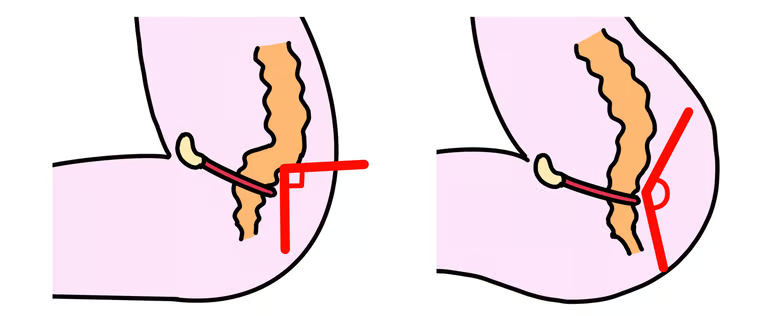
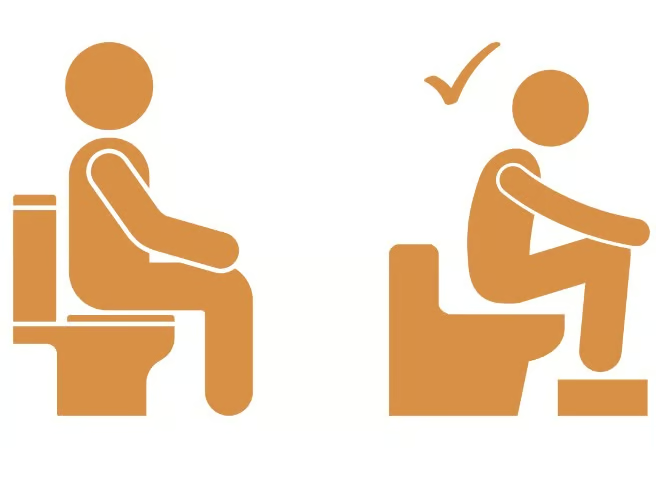
When sitting on a standard toilet, the hips are typically positioned at around a 90-degree angle. In this position, the rectum is not fully aligned for efficient emptying.
This can make bowel movements more difficult and may contribute to straining.
A poop stool elevates the feet and raises the knees above hip level, creating a position closer to a natural squat. This change in posture helps to:
- Straighten the rectum
- Reduce compression of the bowel outlet
- Support smoother passage of stool
As a result, many people find bowel movements easier, quicker, and less strained.
Benefits of using a poop stool
Using a poop stool may help to:
- Reduce straining during bowel movements
- Improve bowel emptying
- Support more complete evacuation of stool
- Reduce bloating and discomfort associated with constipation
- Promote more natural alignment of the pelvic floor
Even in people without constipation, it may support healthier bowel mechanics over time.
The science: why posture matters
To understand how a poop stool works, it helps to look at the role of the puborectalis muscle, part of the pelvic floor.
When sitting on a standard toilet, this muscle maintains a bend in the rectum (known as the anorectal angle) to help maintain continence.
In this seated position, the rectum is partially kinked, which can make stool passage less efficient.
When the knees are elevated using a stool, the body moves closer to a squatting posture. This helps the puborectalis muscle relax, allowing the rectum to straighten and creating a more direct pathway for stool to pass.
This position also allows gravity to assist the process, reducing the need to strain.
What the research says
Research into squatting and toileting posture suggests that position can significantly affect bowel function.
One study comparing different toilet positions found that squatting resulted in:
- Faster bowel movements
- Reduced straining
- Increased sensation of rectal emptying
Another clinical study using a defecation posture device (such as a foot stool) found improvements in:
- Bowel movement efficiency
- Reduced straining
- A greater sense of complete emptying
A further analysis of large-scale user reviews also suggested that the majority of users reported improved bowel function when using a toilet stool, although self-reported data has limitations.
Overall, current research suggests that simulating a squatting position may support more efficient and comfortable bowel movements, particularly in individuals who experience constipation or straining.
Additional potential benefits
1. May reduce strain-related conditions
Reducing straining during bowel movements may help lower the risk of conditions associated with chronic pressure, such as haemorrhoids and pelvic floor dysfunction.
It has also been suggested that habitual straining may contribute to conditions such as diverticular disease, although diet and fibre intake remain key factors.
2. May support pelvic floor health
By reducing the need to push, a poop stool may help decrease unnecessary pressure on the pelvic floor.
This may be particularly relevant in supporting long-term pelvic health and reducing strain during bowel movements.
3. May improve overall comfort and bowel regularity
For many people, improved bowel mechanics lead to:
- Less bloating
- Reduced discomfort
- More predictable bowel habits
This can have a positive impact on overall quality of life.
Final thoughts
A poop stool is a simple, low-cost tool that may significantly improve bowel function for many people.
By supporting a more natural squatting position, it can help reduce straining, improve bowel emptying, and support overall digestive comfort.
While it is not a treatment for underlying causes of constipation, it can be a helpful part of a broader approach that includes diet, hydration, movement, and stress management.
When to seek professional advice
If constipation is persistent, worsening, or associated with symptoms such as abdominal pain, blood in stool, or significant changes in bowel habits, it is important to seek assessment from a healthcare professional.
A GP or practitioner experienced in digestive health can help identify any underlying causes and guide appropriate treatment.
In this series:
Previous: Part 1- Abdominal Massage
Next: Part 3 – Toilet Habits
Support for constipation and digestive health
If you are experiencing ongoing constipation, straining, or incomplete bowel movements, it may be helpful to explore a more personalised approach.
At Topaz Health, visceral osteopathy offers a gentle, hands-on approach that works with the abdomen, digestive system, and nervous system to support overall gut function.
You can learn more or book an appointment online.
References
- Sakakibara R et al. (2010). Influence of body position on defecation in humans. Low Urin Tract Symptoms.
- Modi RM et al. (2019). Defecation posture modification device and bowel movement patterns. Journal of Clinical Gastroenterology.
- Sebo P et al. (2022). Perceived effectiveness of a toilet stool for constipation: analysis of online comments. Journal of the American Board of Family Medicine.